
What Is a Dental Crown?
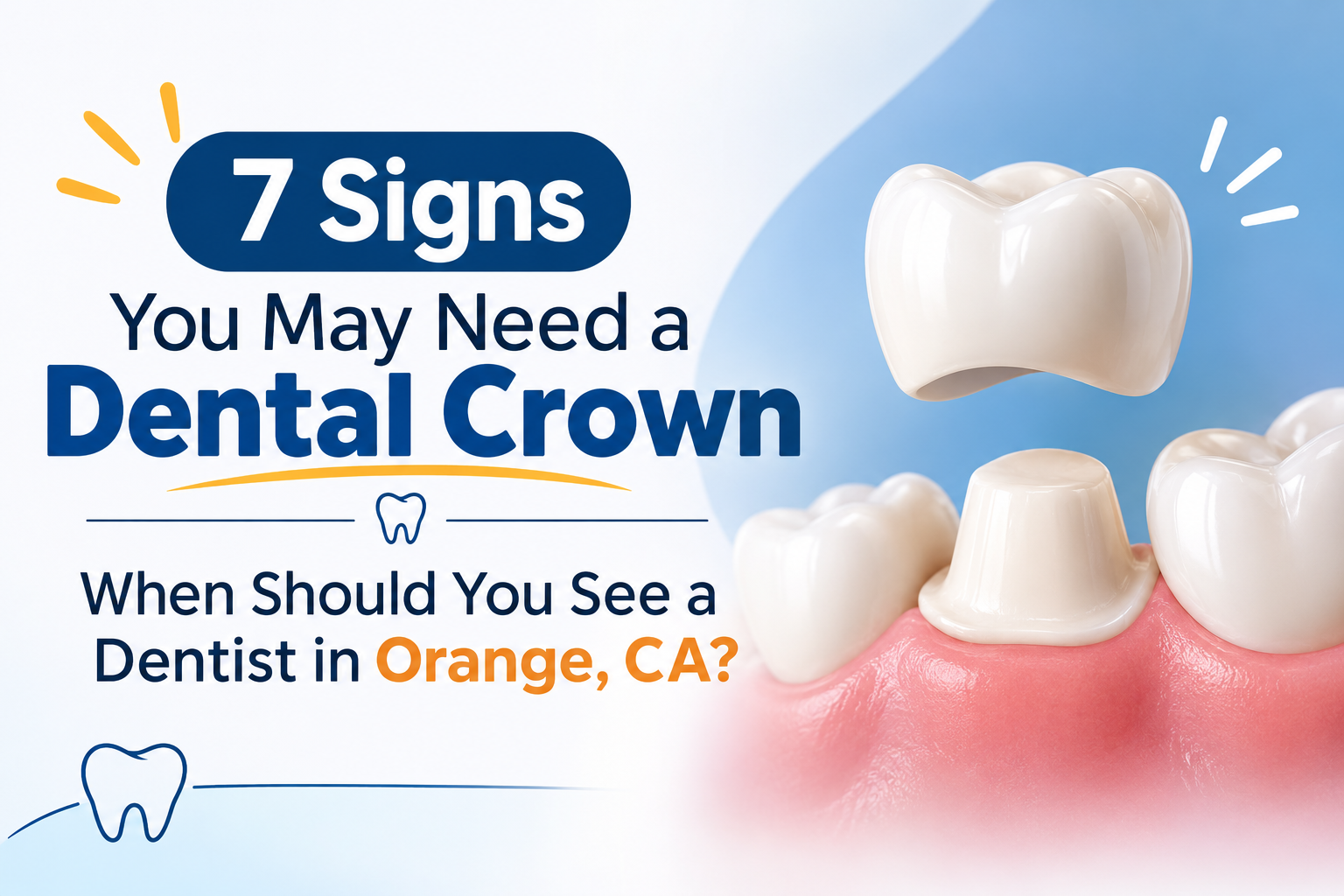
A dental crown is a custom-made cap that fits over an existing tooth to restore its shape, size, strength, and appearance. It covers the visible portion of the tooth above the gumline and helps protect the remaining natural structure. Dentists may recommend a crown when a tooth has extensive decay, a crack, significant wear, or damage that cannot be adequately repaired with a regular filling. Dental crowns can also help restore teeth after root canal treatment when additional protection is needed. Unlike a filling, which repairs only a specific damaged area, a crown covers the entire visible tooth. This provides additional support and helps the tooth withstand everyday biting and chewing forces. Learn more about dental crowns in Orange, CA at Michelsen Dental.Why Might You Need a Dental Crown?
A tooth may need a crown when its natural structure becomes too weak, damaged, or compromised to function comfortably. Some common reasons include:- Extensive tooth decay that cannot be adequately restored with a filling.
- Cracks or fractures that affect the tooth’s strength.
- Large existing fillings that leave limited natural tooth structure.
- Excessive wear caused by grinding or clenching.
- Teeth that need additional protection after root canal treatment.
- Broken or severely damaged teeth.
7 Common Signs You May Need a Dental Crown
The following symptoms do not automatically mean you need a crown. A dental examination is necessary to determine the cause and appropriate treatment.1. You Have a Cracked or Fractured Tooth
A cracked tooth is one of the most common reasons a dentist may recommend a dental crown. Even a small crack can weaken the tooth and make it more vulnerable to additional damage, especially during chewing. You may notice:- Sharp pain when biting or releasing pressure.
- Sensitivity to hot or cold foods and drinks.
- Discomfort when chewing on one side of your mouth.
- Visible cracks or lines on the tooth.
2. You Have Severe Tooth Decay or a Large Cavity
Small cavities can often be treated with dental fillings. However, when tooth decay becomes extensive, a regular filling may not provide enough support to restore the tooth. Signs of significant tooth decay may include:- Persistent toothaches.
- Visible holes or dark spots.
- Sensitivity to sweets, hot, or cold foods.
- Pain when biting or chewing.
- Food frequently getting stuck in the damaged area.
3. You Have a Large Existing Dental Filling
Dental fillings are effective for repairing cavities, but they do not always provide enough structural support when a large portion of the natural tooth is already missing. Over time, a tooth with a large filling may become more vulnerable to fractures, particularly when exposed to everyday chewing pressure. A dentist may recommend a crown if:- A large portion of the tooth is filled.
- The remaining tooth walls are weak.
- The tooth has developed cracks around an existing filling.
- The filling has failed and the remaining structure needs additional protection.
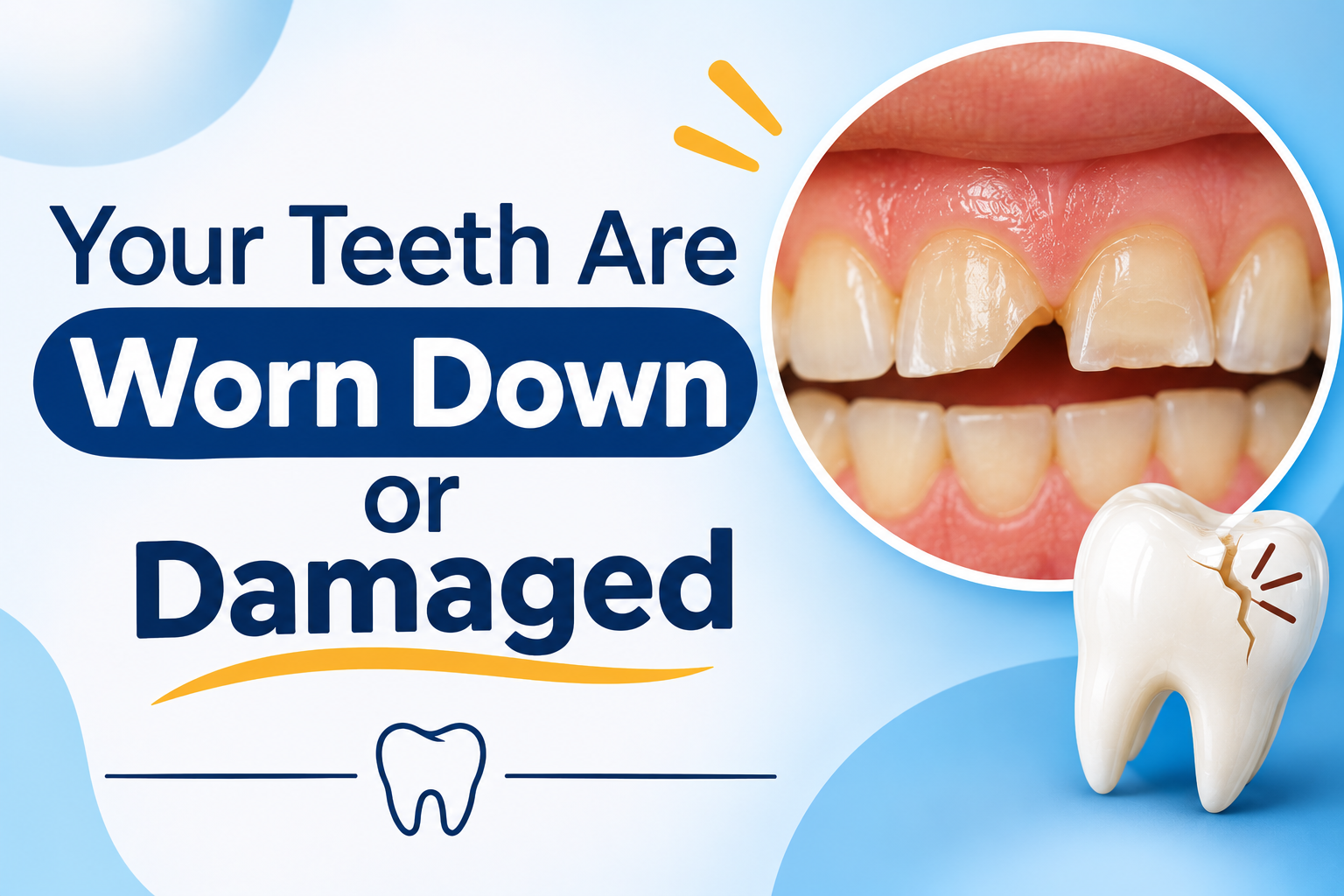
4. Your Teeth Are Worn Down or Damaged
Do your teeth look shorter, flatter, or more uneven than they used to? Excessive tooth wear can happen because of teeth grinding (bruxism), clenching, acidic foods and drinks, or other dental conditions. Common symptoms include:- Flattened or uneven tooth surfaces.
- Increased sensitivity.
- Small chips or fractures.
- Changes in your bite.
- Discomfort when chewing.
5. You Have a Broken or Severely Chipped Tooth
A broken tooth can affect more than just your smile. Depending on how much of the tooth has fractured, it may cause pain, sensitivity, and difficulty chewing. Common causes include:- Biting hard foods.
- Sports-related injuries.
- Accidental falls or impacts.
- Existing tooth decay.
- Weakened tooth structure.
6. You Have Recently Had Root Canal Treatment
A root canal is performed to remove infected or damaged tissue from inside a tooth while preserving the natural tooth structure. After treatment, some teeth may require additional protection because substantial decay, fractures, or previous dental work has weakened them. A dental crown may be recommended to:- Protect the remaining tooth structure.
- Restore normal chewing function.
- Reduce the risk of fractures.
- Improve the tooth’s appearance.
7. You Experience Persistent Tooth Sensitivity or Pain
Occasional sensitivity doesn’t necessarily mean you need a dental crown. However, ongoing discomfort can indicate an underlying dental problem that deserves attention. Watch for symptoms such as:- Pain when biting or chewing.
- Sensitivity to hot and cold temperatures.
- Persistent discomfort around a damaged tooth.
- Pain that becomes more noticeable over time.
- Discomfort around an old filling or restoration.
When Should You Visit a Dentist for a Dental Crown?
You should schedule a dental evaluation if you notice a cracked tooth, significant decay, a broken filling, persistent sensitivity, or pain when chewing. Early diagnosis can help your dentist identify the extent of the damage and determine whether a filling, crown, root canal, or another treatment is appropriate. If you experience sudden severe tooth pain, facial swelling, or a dental injury, contact a dentist promptly. Difficulty breathing or swallowing, uncontrolled bleeding, or rapidly spreading swelling requires emergency medical attention. If you’re looking for a dental crown dentist in Orange, CA, Michelsen Dental provides restorative dental care, including porcelain crowns and same-day CEREC crown options for suitable cases. You can explore dental crown treatment at Michelsen Dental to learn more about the available options.Are Dental Crowns the Right Solution for Everyone?
No. Dental crowns are not necessary for every damaged or decayed tooth. The right treatment depends on the amount of remaining healthy tooth structure, the location of the damage, your bite, and your overall oral health. Here are some common treatment options:| Dental condition | Possible treatment |
| Small cavity | Dental filling |
| Minor tooth chip | Dental bonding |
| Extensive tooth damage | Dental crown |
| Infected tooth pulp | Root canal treatment, potentially followed by a crown |
| Severely damaged, unrestorable tooth | Tooth extraction may be considered |

 Request